Water Pressure Testing in Newport East, RI
Local water pressure testing for Newport East, RI with a written scope, clear pricing, and scheduling you can plan around.
In Newport East, a weak shower or a sudden kitchen-faucet drop can be especially frustrating in coastal homes near Narragansett Bay. We test before replacing parts.
Summer heat can raise outdoor water use, so demand may compete with indoor needs; note whether pressure changes when irrigation or other fixtures are running. Cold winters can freeze exposed pipes and interrupt flow, so let us know if a pressure change followed a cold spell. A safe first check: compare two faucets and see whether the issue is isolated or house-wide.
Our crew serves Whitehall and Sachuest, checking the supply, regulator, and affected fixtures before recommending a repair. Newport East’s mix of coastal homes calls for a diagnosis that accounts for the actual plumbing layout, not a guessed part.
We explain our findings in plain language and confirm pressure after repairs. Call (877) 773-0781 to discuss low water pressure in Newport East and arrange a visit.
Check the License
Low Water Pressure Repair in Rhode Island is regulated by Providence Water Supply Board; ask any provider for their license number.
What a Visit Covers
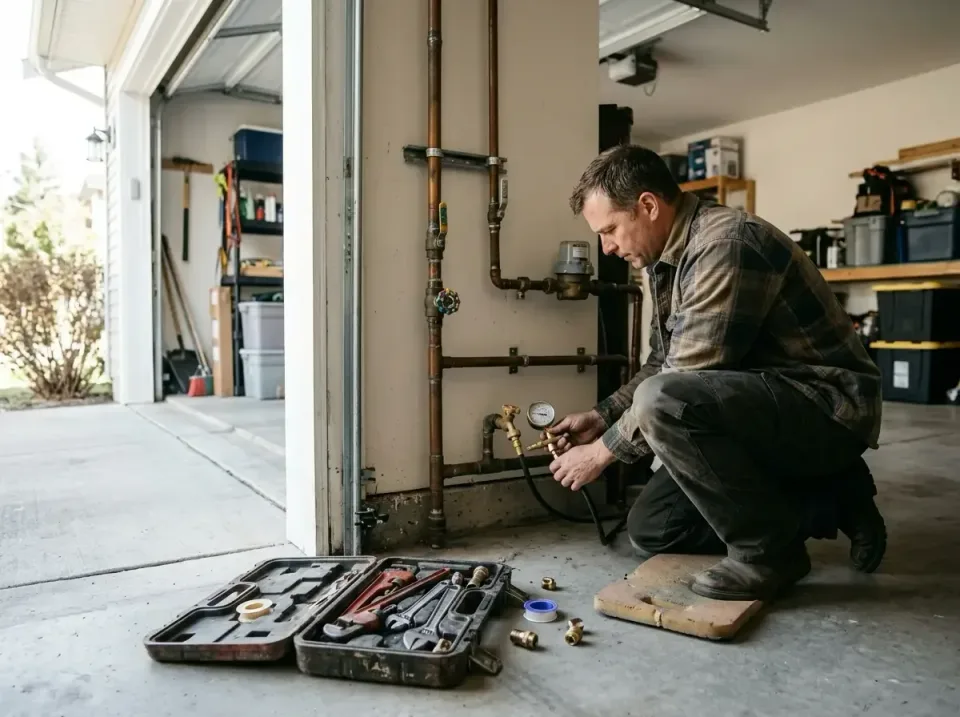
A typical visit locate main shutoff before testing.
Typical Price Range
Pressure testing often runs $75–$250 depending on diagnostic scope; get a written quote first.
Weak Shower Stream
Weak shower stream on upper floors — worth a professional look when you notice it.
Local water pressure testing for Newport East, RI with a written scope, clear pricing, and scheduling you can plan around.
Water Pressure Adjustment in Newport East, RI — what the job involves, what affects the price, and how scheduling works, explained before you book.
Booster Pump Repair in Newport East, RI — what the job involves, what affects the price, and how scheduling works, explained before you book.
Local sudden water pressure loss for Newport East, RI with a written scope, clear pricing, and scheduling you can plan around.
Local low shower pressure repair for Newport East, RI with a written scope, clear pricing, and scheduling you can plan around.
Local low faucet pressure repair for Newport East, RI with a written scope, clear pricing, and scheduling you can plan around.
Low Hot Water Pressure in Newport East, RI — what the job involves, what affects the price, and how scheduling works, explained before you book.
Whole House Pressure Loss in Newport East, RI — what the job involves, what affects the price, and how scheduling works, explained before you book.
Local low well water pressure for Newport East, RI with a written scope, clear pricing, and scheduling you can plan around.
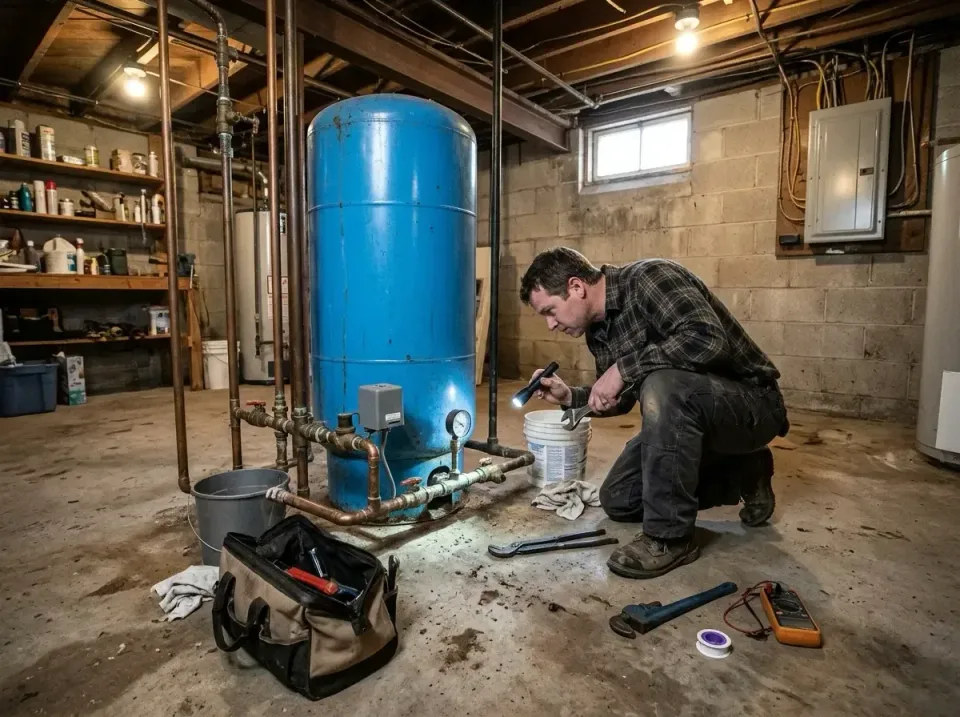
Local pressure tank repair for Newport East, RI with a written scope, clear pricing, and scheduling you can plan around.
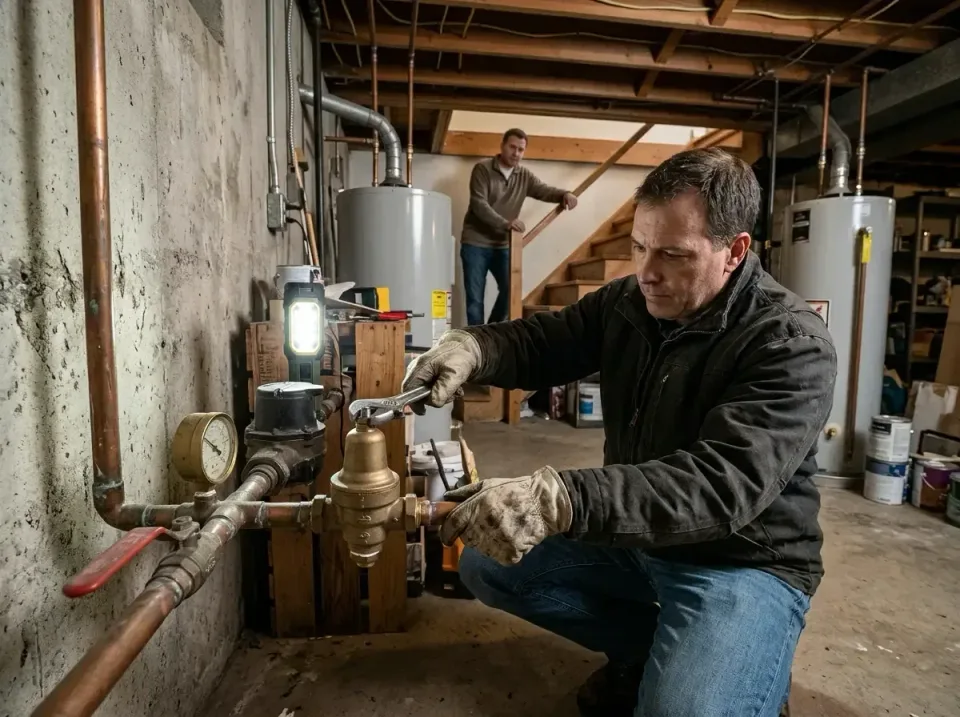
Local water pressure regulator repair for Newport East, RI with a written scope, clear pricing, and scheduling you can plan around.
Clogged Water Line Repair in Newport East, RI — what the job involves, what affects the price, and how scheduling works, explained before you book.
Why us
Get a clear diagnosis and repair plan from a Rhode Island plumbing team.
The crew records static and flowing pressure before making adjustments. That helps pinpoint whether a clogged line, regulator, pressure tank, or another part of the system is affecting flow.
A technician explains what testing shows and discusses the repair scope before work begins. You can understand the proposed fix and what it addresses before deciding how to proceed.
The team coordinates pressure-testing and repair visits across Rhode Island, including travel and job-site access. Technicians check the system after repairs, including pumps and fixtures when those are involved.
Our process
Each visit moves from a focused pressure check to a verified repair.
The team asks where and when pressure changes, then coordinates a visit and access. You get a clear appointment plan for testing the plumbing system.
A technician records static and flowing pressure and confirms whether the home uses municipal or private-well water. You get measured findings to guide the diagnosis.
The technician checks the shutoff, regulator, pump, and pressure tank as relevant. Findings and the proposed repair scope are explained before work starts.
The crew repairs the identified cause and checks pressure at multiple fixtures. You get a post-repair system check, including pump or fixture checks when those are part of the issue.
Warning signs
Pressure changes by time of day can be an early clue. Notice whether flow is weaker during periods of higher household or neighborhood demand, and note which fixtures are affected to help describe the pattern.
Cloudy or rust-tinted water can point to buildup or corrosion in plumbing components, though it does not confirm the cause of low pressure. Keep track of when discoloration appears and which taps show it.
Through the year
Spring
Frequent sea fog can keep exposed plumbing damp and make corrosion easier to miss. A pressure check in spring can help identify a developing restriction or regulator issue before it disrupts everyday water use.
Summer
Cool maritime summers bring changing household water demand, which can make pressure concerns more noticeable. Testing during summer can help distinguish a system fault from flow changes tied to simultaneous fixture use.
Fall
Fall is a practical time to inspect pressure equipment before windy coastal conditions return. A technician can assess the regulator, pump, and pressure tank and explain any repair needs before colder weather.
Winter
Nor'easter exposure and salt air can be hard on exterior plumbing components. Winter pressure testing can help identify a restriction or failing control that affects indoor fixtures, with findings explained before repairs begin.
Before you hire
Permit needs depend on the specific work and local requirements. Ask the contractor to clarify whether permits apply and who handles them before the job is scheduled.
Clarify whether the scope includes pressure testing, checks of relevant equipment, repair work, and post-repair verification. A defined scope helps you understand what the visit will cover.
Ask how findings, proposed work, and any written terms are presented before repairs begin. Understanding approval and contract terms helps prevent confusion about what has been agreed.
Salt air around Second Beach can corrode exposed plumbing equipment, making a regulator or connection harder to assess by appearance alone. Near Sachuest Point National Wildlife Refuge, we look for the actual restriction or pressure-control issue before recommending parts.
Test first. Freeze-thaw cycles can stress exterior plumbing and buried lines, so we ask when the pressure changed and whether outdoor work or cold weather preceded it.
Rhode Island Plumbing Pros serves Newport East with a test-first approach built over more than 12 years of local work. We coordinate a visit around your access and schedule, and ask you to keep the area around the shutoff or equipment clear. Call (877) 773-0781 to arrange service.
When pressure falls as several fixtures run, the cause may be a restriction or a system that cannot keep up; in Newport East, seasonal visitors can add demand in coastal towns. We ask which fixtures are affected, then test rather than guess. Check whether the pressure drop happens with one fixture or several.
Spring rainfall can raise groundwater around basements, so tell us if you have noticed water near a basement pressure system; we protect the work area and inspect equipment access. Nor’easters can interrupt power to booster pumps, so we check the pump and its supply before recommending repair. Our work may include pressure testing, adjustment, or booster pump repair when the findings point there.
For Newport East visits, we verify the symptom, inspect the relevant equipment, explain the cause, and confirm operation after repair. Call (877) 773-0781 to schedule an assessment.
Near Second Beach, salt-weathered exterior equipment may show corrosion at fittings or pump connections; we inspect those parts before deciding whether a pressure adjustment will hold. A visual check helps, but it does not replace a pressure reading. Newport East homes near Narragansett Bay can also have outdoor shutoffs obstructed by snow or ice, making access difficult during winter service calls.
Pressure below 40 psi is commonly reported as low, so we compare the customer’s complaint with measured readings instead of assuming every weak fixture has the same cause. We ask residents to keep the path to the shutoff clear when safe to do so. If pressure remains low after access is restored, our team can test the system and identify whether the issue is at a fixture, regulator, or supply line.
We serve Whitehall, where a pressure complaint can start with one weak fixture; our crew checks that fixture against nearby taps before tracing a broader fault. In South Portsmouth, tell us whether pressure changes across the home so we can distinguish a local restriction from a system-wide issue. Sachuest residents can note whether the problem affects hot water, cold water, or both before we arrive.
In Lawtons, we can assess accessible regulators and supply connections as part of low-pressure troubleshooting. Sakonnet customers should mention whether pressure drops when more than one fixture runs; that detail helps direct our testing.
In Tiverton Four Corners, our team confirms the cause before recommending a repair, then checks pressure again after the work. Newport East properties differ, so we plan around the home’s equipment and access rather than assume one neighborhood has one plumbing layout.
Check whether the drop affects one faucet or several, and whether hot and cold water behave differently. In Whitehall, note any recent change in the home or equipment and keep the main shutoff accessible; do not adjust a regulator yourself.
A restriction, pressure-control problem, or system limitation may become noticeable when demand increases. Tell our Newport East team which fixtures were running and where you noticed the drop so we can test the relevant parts of the system.
Yes. We take readings and inspect the affected plumbing before recommending a repair, then explain what we found and confirm pressure after the work.
Share job details below or call our team directly. Phone: (877) 773-0781
Low Water Pressure Repair is also available in these nearby communities.
Low Water Pressure Repair requests in Newport East, RI often come from these zip codes and nearby streets.
02840, 02841
02882, 02880
02881, 02879
02886, 02889, 02888, 02818, 02887